Capped composite
A wood- or bamboo-polymer core with a protective outer cap.


MATERIALS, COLORS & CARE
Explore materials, colors and practical considerations for your outdoor space.
Schedule a Consultation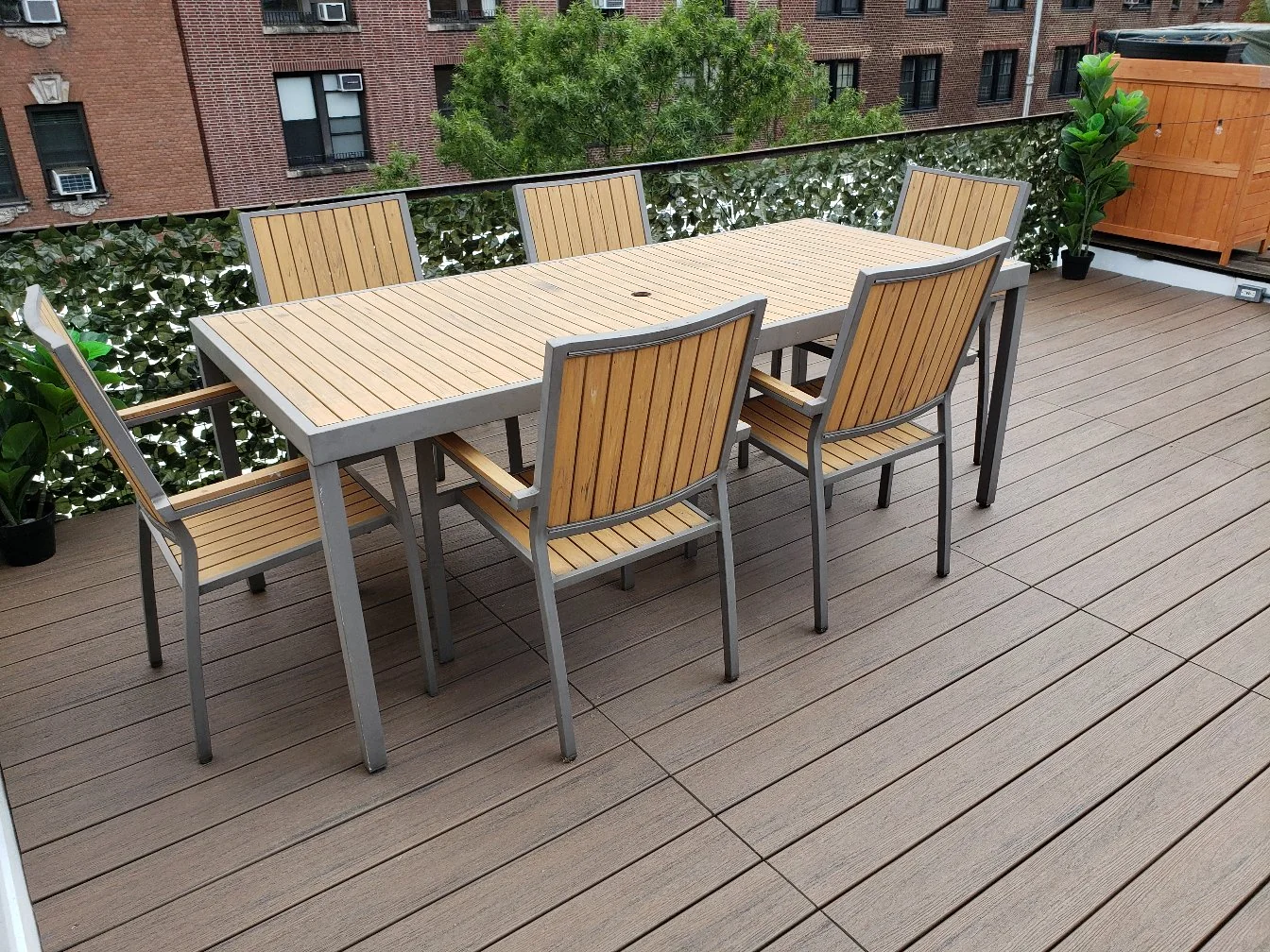
Choose by product, application and site conditions.
A wood- or bamboo-polymer core with a protective outer cap.
A different material family. Fully synthetic PVC contains no wood fibers.
Composite decking combines plant-based fibers, commonly wood or bamboo, with polymers. In a capped composite board, an outer polymer layer helps protect the core and provides the finished color and texture. The core blend, cap coverage and board profile vary by collection; “composite” does not describe one identical product.
PVC decking uses polyvinyl chloride as its base material. Fully synthetic PVC boards, such as TimberTech Advanced PVC, contain no wood fibers: they are not wood-plastic composite boards. Some engineered products combine PVC with other ingredients, so check the exact composition rather than relying on the word “PVC” alone.
Both material families offer wood-inspired finishes, but their construction and installation requirements can differ. Compare the selected collection's specifications, care instructions and suitability for your site—not simply the brand name or appearance.
These examples show finishes across composite and PVC-based decking. Compare the material labels as well as the colors; this is a starting point for your project, not a complete catalog or a ranking of products.
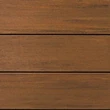
Vintage Collection · Cypress
Advanced PVC
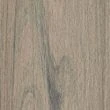
Transcend Lineage · Biscayne
Capped composite

Good Life Weekender · Cottage
Capped composite

Apex · Himalayan Cedar
Bamboo-PVC composite
These finishes are illustrative examples. Screen settings, lighting and natural variation affect how colors appear. Confirm the final collection, color and availability using physical samples before ordering.
Manufacturers offer collections at different price and feature levels. There is no universal three- or four-tier system shared by every brand, and a higher price does not automatically make a board the right choice for every project.
Start with the appearance and features you actually need. A simpler color palette or finish may suit a straightforward project without using more of the material budget than necessary.
Compare multi-tonal finishes, grain patterns, profiles and coordinating details. These differences can matter when decking needs to work closely with a building's architecture, furniture or railing.
Look at the specific changes behind the price: the board's construction, cap coverage, finish options and applicable warranty. Do not assume that every premium collection offers the same features—or that PVC is simply the next tier of composite.
The best comparison considers the complete installation as well as the boards. Site access, framing, detailing and project scope also affect the overall budget. These categories are planning guidance, not product rankings or a construction estimate.
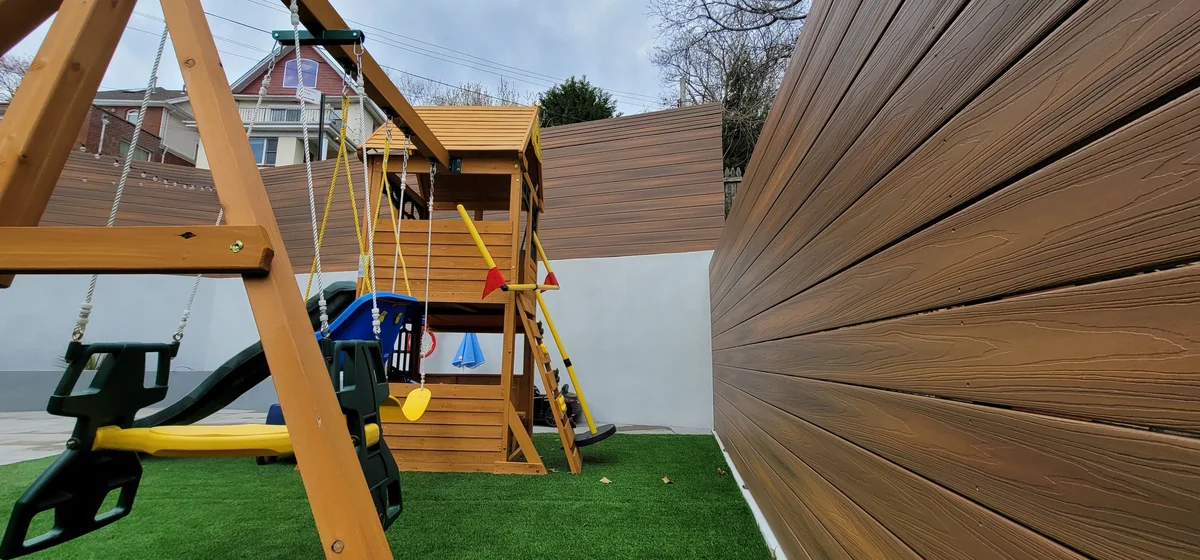
Our completed projects show how decking, borders, steps and surrounding details work together. Use the photographs to explore layout and finish ideas; the material and color for your project will be selected separately.
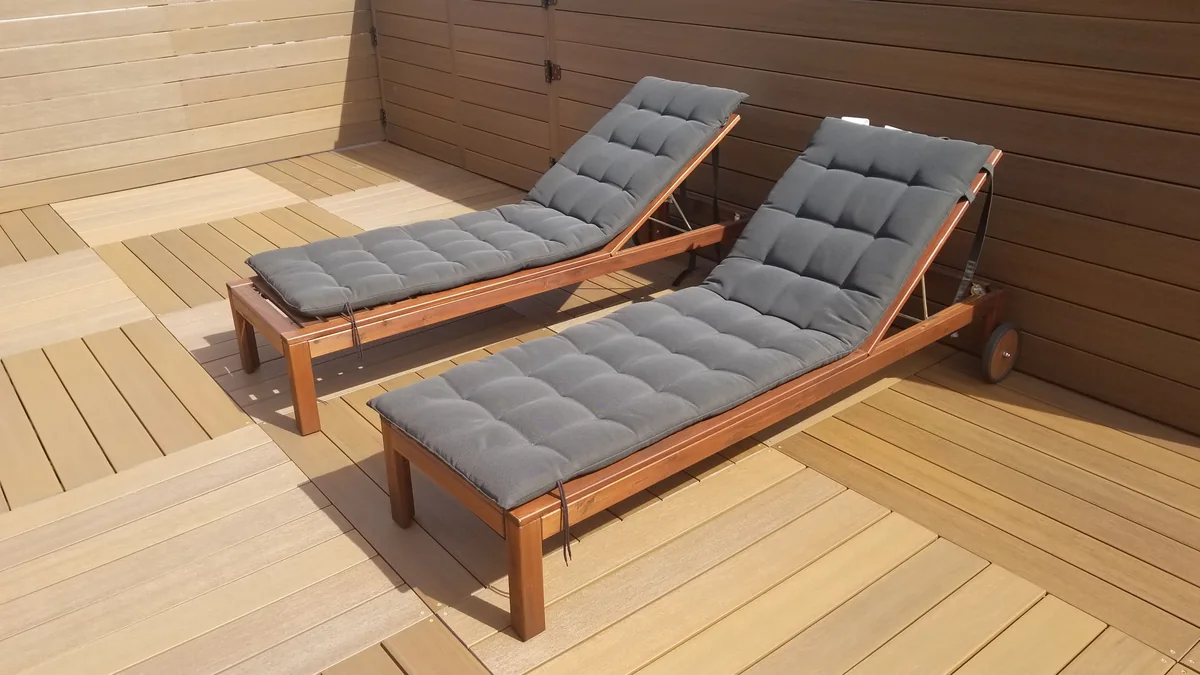
Clean as recommended for the selected product. Keep surfaces and board gaps clear.
Consider sun exposure, drainage, support and installation requirements.
Warranty terms vary by collection and application. Compare the actual coverage.
Composite decking still needs routine care. Keep the surface and board gaps clear of debris, address spills promptly and follow the selected manufacturer's cleaning instructions. Check those instructions before using a cleaner, pressure washer or other treatment.
Warranty terms vary by manufacturer, collection and application. Physical integrity or performance coverage is different from stain-and-fade coverage, and labor is a separate consideration.
For example, Fiberon's published limited residential terms distinguish Good Life Weekender, with 25-year performance and stain-and-fade coverage, from Good Life Escapes, with 30-year coverage. Concordia Symmetry and Horizon list limited lifetime physical-integrity coverage and 50-year stain-and-fade coverage. “Good Life: 25 years” or “Concordia: 50 years” alone leaves out important details.
These examples illustrate how terms can change within one manufacturer's range; they are not a brand recommendation or a promise of service life. Residential and commercial terms can differ. Confirm the current warranty for the exact product and application before ordering, including exclusions, installation conditions, proof-of-purchase requirements and any prorated remedies. A longer headline term does not mean every issue or installation cost is covered.
We can help identify the relevant product information as part of your material selection.
Compare samples alongside your building finishes, furniture and railing. View them in the light your outdoor space receives rather than relying on a screen alone.
Discuss sun exposure, drainage, foot traffic and how you plan to use the space. Product selection should account for these conditions as well as appearance.
The boards are one part of the project. Framing, board support, fasteners, spacing and access requirements need to suit the selected product and the site. A material choice alone does not establish whether a proposed installation is suitable.
THE TAKE-HOME EDITION
Keep a copy for your planning discussions. Request our Composite Decking Guide by email.
No. Wood-plastic composite blends wood fibers with polymers; some other composites use bamboo fibers. PVC is a different material family. Fully synthetic PVC decking has no wood fibers, although other PVC-based products can use different formulations. Compare the exact board composition and installation guidance, not just a material label.
It may be an option, but suitability depends on the complete design and the building. The proposed support system, roof protection, drainage, access and applicable requirements need to be reviewed before selecting the final assembly. A product photograph or swatch is not confirmation of suitability for a particular roof.
Yes. Composite decking can reduce the refinishing associated with wood, but it still requires cleaning and care. Follow the instructions for the exact collection, particularly when choosing cleaning products or equipment.
No. This page shows a small selection of examples, not a complete product list. Other colors and collections can be discussed for your project, subject to suitability and supplier availability. Physical samples are the best next step before confirming a finish.
No. Coverage depends on the manufacturer, product and use. Read the applicable warranty rather than comparing the headline number alone, and confirm which terms relate to the boards, appearance and any labor coverage.
Tell us about your rooftop, terrace, balcony, or patio. We’ll help you consider the finish and the system together.


